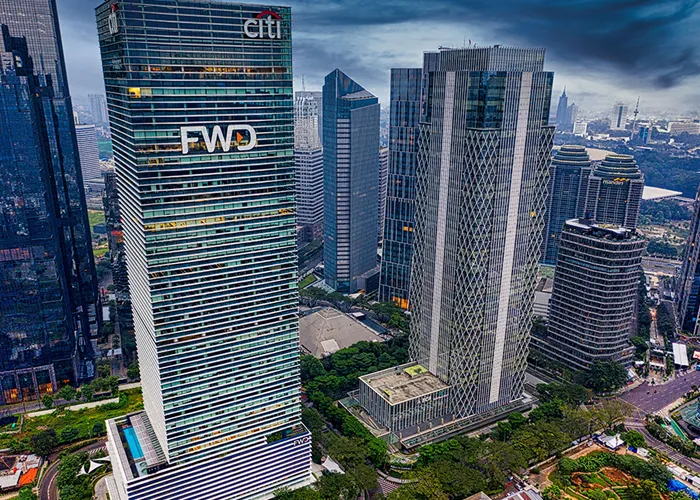
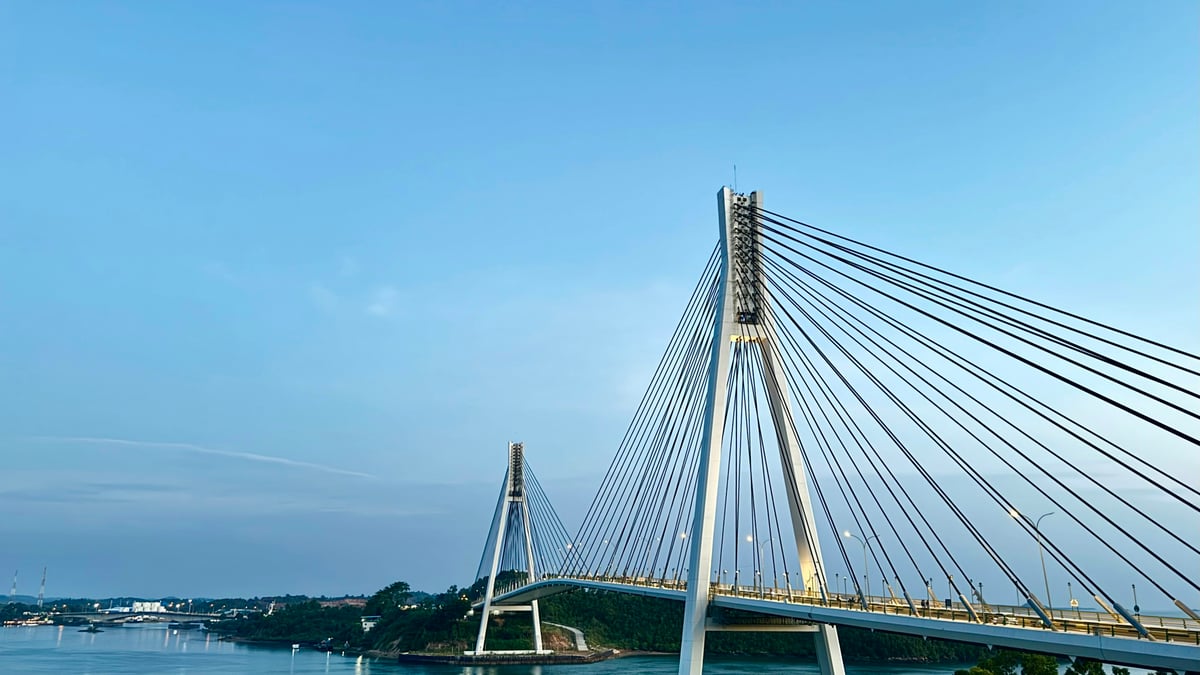
Batam occupies a distinct position in Southeast Asia’s industrial landscape. As a free-trade and manufacturing zone with direct economic ties to Singapore, it attracts organizations in manufacturing, electronics assembly, and outsourcing that operate across the Indonesia-Singapore border. Software development needs in this environment are shaped by that context: multi-site operations, cross-border data flows, sector-specific process requirements, and the expectation that software will grow alongside the business. Software that works here is designed from those realities, not from a generic development approach. Binari provides custom software development for organizations in Batam.
Software House Services Tailored for Batam’s Industrial Landscape
Organizations in Batam’s industrial sector typically need software that fits their actual workflows rather than off-the-shelf tools that approximate them. Our custom software development services cover web applications, mobile application development, and backend systems designed around each client’s specific processes. Whether the requirement is a production tracking system, a workforce management platform, or a client-facing application for a BPO operation, the starting point is always the organization’s operational structure.
Scalability is a practical concern for organizations in this region. A solution serving a 50-person operation today may need to support a 500-person operation within two years, particularly for businesses responding to manufacturing demand or expanding outsourcing contracts. We approach software architecture with that trajectory in mind. For manufacturing and electronics clients, ERP integration and manufacturing execution system (MES) connectivity are common considerations in the project scope. These are often central to how a factory or assembly operation manages data, not peripheral features. For organizations exploring outsourcing software development, a structured engagement model supports both delivery quality and cost efficiency.
Batam’s Free-Trade Zone and Economic Ties to Singapore
Batam is part of the Batam-Bintan-Karimun (BBK) Special Economic Zone and operates under Indonesia’s free-trade zone framework, which provides customs and tax incentives designed to attract manufacturing and industrial investment. Its proximity to Singapore, roughly 20 kilometers across the water, has made it a natural extension of Singapore’s industrial base for decades. Electronics manufacturing, shipbuilding, oil and gas services, and business process outsourcing all have a significant presence on the island.
This economic structure shapes the software requirements of organizations operating there. A manufacturer with procurement managed from Singapore and production on the ground in Batam needs software that handles cross-border data consistently. A BPO operation serving international clients from a Batam facility needs platforms that meet those clients’ expectations for reliability and data handling. The free-trade zone status also means organizations frequently deal with customs documentation, logistics coordination, and regulatory reporting that benefit from purpose-built software rather than manual processes.
In projects for organizations in Batam, the discovery phase maps this context before design starts: who enters data on the ground, what information must reach head office or counterparts in Singapore, and which customs documents are still handled by hand.
Cross-Border Business and Compliance Considerations
Software supporting cross-border operations between Batam and Singapore must account for regulatory and technical standards on both sides of the border. Data residency requirements, security standards, and interoperability with systems used by Singapore-based counterparts are all relevant considerations during the design phase of a software project. Organizations should raise these requirements early in vendor discussions so the development approach accounts for them from the outset, rather than as a late correction. Selecting a software house that understands the cross-border operating environment is an important part of managing project risk in this context.
Scalability for SMEs to Enterprise Organizations
Scalability in software development refers to a system’s ability to handle increased load, expanded functionality, or a larger user base without requiring a complete rebuild. For organizations in Batam, this is a practical requirement. Manufacturing operations scale with production contracts. BPO businesses scale with client volumes. Electronics firms scale with supply chain complexity.
We design software with scalability as a structural consideration, not a feature added later. This means making architecture decisions early that support growth, whether that involves database design, API structure, or the separation of system components. Our enterprise software development capabilities and enterprise web development solutions reflect this orientation toward organizations that expect their software to remain fit for purpose as they grow. SMEs benefit from the same architectural discipline, because the cost of rebuilding a system that was not designed to scale is typically far higher than building it correctly from the start.
Collaboration on Software Projects in Batam
Client operations in Batam are spread across industrial estates, ports, and business districts. Discovery sessions and demos can run online, and site visits can be discussed for phases that need them, such as mapping production-floor workflows or testing integrations with systems already in use. Batam shares the WIB time zone with Western Indonesia, so reviews and post-delivery support follow normal business hours.
Maintenance, updates, and further development cycles usually continue long after the first delivery, so technical documentation and project track record are worth reviewing during evaluation. Examples of completed work are available in our case studies.
Integration with Manufacturing and Business Systems
Manufacturing and industrial organizations in Batam commonly operate ERP systems for resource planning and MES platforms for production management. Software developed for these environments often needs to exchange data with those systems, whether through direct integration, API connections, or data export and import workflows. Evaluating a software house’s familiarity with ERP software development and integration and business process automation software is a relevant step for any manufacturing or industrial client. Integration complexity varies significantly by system and by the maturity of the existing technology environment, so early discovery conversations are important for scoping these requirements accurately.