SansungBNIVital StrategiesWestern Union
99+

Trusted by

Customers across the globe

SaaS Application Development for Scalable Cloud Software

Binari supports organizations building cloud-based SaaS applications with multi-tenant architecture, integrated subscription and billing, user and account management, API-first extensibility, scalable cloud infrastructure, and built-in analytics. Whether you are launching an MVP or scaling an established product, our SaaS application development approach addresses the technical and business requirements of delivering software as a service.

SaaS Application Development

Key Features of Binari's SaaS Application Development

Our SaaS application development covers the architectural, functional, and operational capabilities that organizations need to launch, monetize, and grow cloud-based software products.

Multi-tenant Architecture Design

Multi-tenant Architecture Design

We design SaaS applications to serve multiple customers from a single platform instance, with logical data separation and shared infrastructure. This supports cost efficiency, simplified deployment, and consistent performance as the customer base grows.

Subscription and Billing System Integration

Subscription and Billing System Integration

We integrate subscription management and billing functionality into the SaaS application, covering plan management, recurring payments, trial periods, upgrades, and customer lifecycle events. This supports the recurring revenue model that SaaS businesses depend on.

API-first Development Approach

API-first Development Approach

We build SaaS platforms with APIs as the foundation, making every core function accessible through well-defined interfaces. This enables third-party integrations, supports multiple client applications, and keeps the platform adaptable as requirements change.

Cloud-native Scalable Architecture

Cloud-native Scalable Architecture

We configure SaaS applications on cloud infrastructure designed to scale with demand. The architecture supports traffic growth, larger data volumes, and increased concurrent users without compromising availability or response times.

Analytics and Dashboard Capabilities

Analytics and Dashboard Capabilities

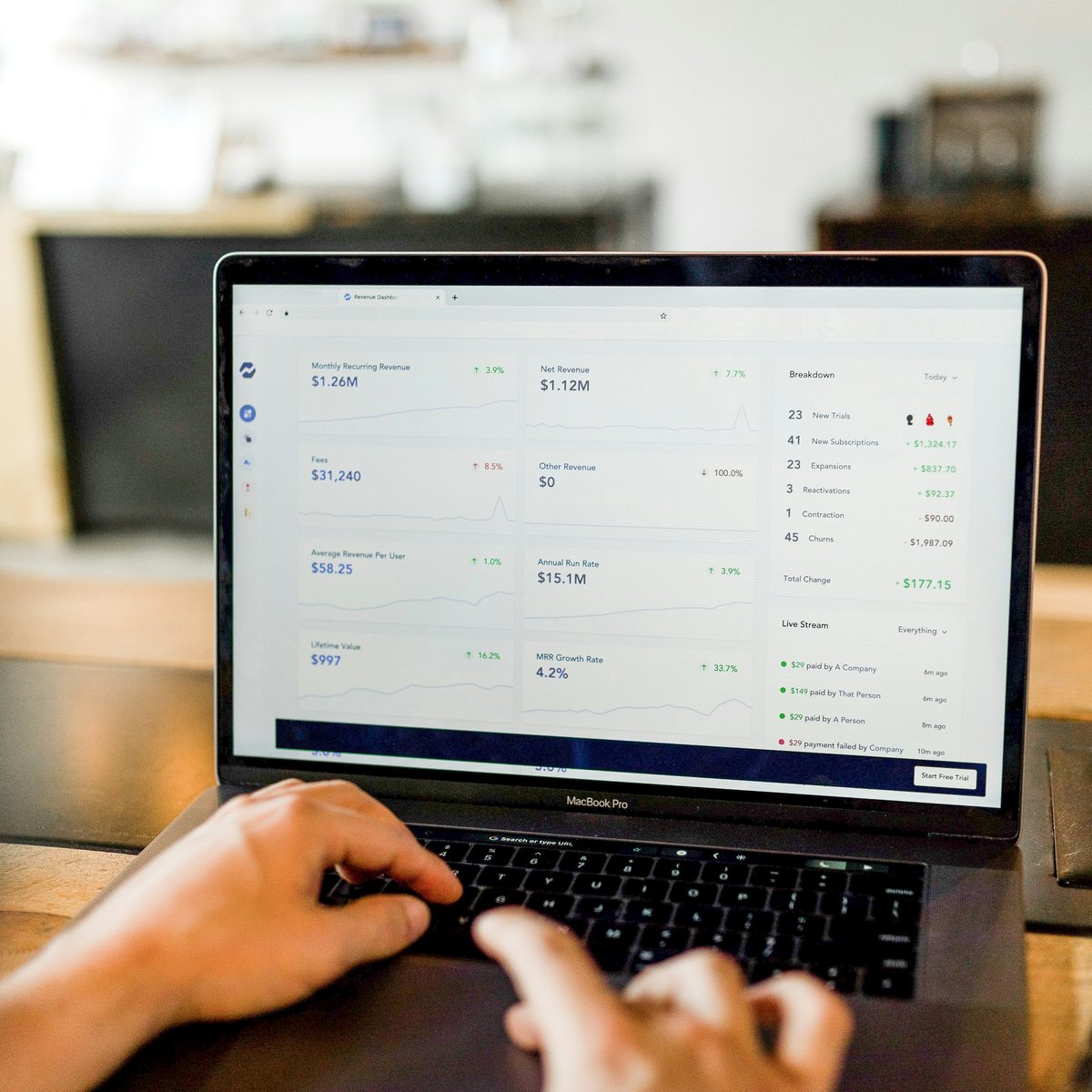
We include analytics tools and dashboards as part of the SaaS application, giving product teams and end users visibility into usage patterns, business metrics, and operational data. This supports informed decision-making at both the product and customer level.

MVP Development and Iterative Engineering

MVP Development and Iterative Engineering

We support SaaS product development from an initial MVP through successive iterations. This allows organizations to validate the product with real users early and refine features based on feedback, reducing time-to-market and development risk.

User and Account Management

User and Account Management

We build user and account management capabilities into the SaaS platform, covering registration, authentication, role-based access control, and multi-account structures. This ensures customers can manage their teams and permissions securely within the application.

Scalable Performance and Resilience

Scalable Performance and Resilience

We design SaaS applications with performance and resilience in mind, applying patterns that maintain service quality under load and support recovery from failures. Consistent availability is a baseline expectation for subscription-based software products.

Integration with Third-party Services

Integration with Third-party Services

We build SaaS platforms with the capacity to connect to external tools and services, extending functionality beyond the core application. This includes payment processors, communication platforms, data providers, and other services relevant to the product's use case.

Understanding SaaS Application Development and Its Business Impact

SaaS application development is the process of designing, building, and deploying software delivered to users over the internet on a subscription basis. Unlike traditional software installed on individual machines, SaaS applications run on shared cloud infrastructure and are accessed through a web browser or API. Organizations across industries use SaaS products to serve customers at scale, generate recurring revenue, and reduce the operational overhead associated with on-premise software distribution. For broader context on the practices that underpin this work, our software development methodologies and processes page provides additional detail.

What Is SaaS Application Development?

SaaS application development covers the full scope of building a cloud-hosted software product intended for subscription-based delivery. This includes architectural decisions, feature development, billing and user management integration, and the infrastructure configuration needed to serve multiple customers reliably. The defining characteristics of a SaaS application are its cloud delivery model, its subscription monetization structure, and its ability to serve many customers from a single deployed codebase. This distinguishes SaaS development from general custom software projects, which typically do not require multi-tenant design, recurring billing systems, or the operational considerations specific to a shared-platform model.

Multi-tenant Architecture Explained

Multi-tenant architecture is a foundational design pattern for SaaS applications. In a multi-tenant system, a single application instance serves multiple customers, with each customer’s data and configuration kept logically separate. Infrastructure costs are shared across the customer base rather than duplicated per account, and updates are deployed once and take effect for all tenants simultaneously. For organizations evaluating SaaS development partners, multi-tenant architecture is a core consideration: it directly affects scalability, cost structure, and the complexity of customer onboarding. We treat multi-tenant design as a central focus in how we approach SaaS application architecture.

Subscription and Billing Integration in SaaS

The subscription model is the commercial foundation of most SaaS businesses. Integrating billing systems into a SaaS application involves more than processing payments: it requires managing subscription plans, trial periods, upgrades, downgrades, cancellations, invoicing, and customer lifecycle events. These processes need to be reliable and consistent, because billing errors or gaps in subscription management directly affect revenue and customer trust. We support the integration of subscription and billing functionality as part of SaaS application development, connecting the application to billing systems in a way that aligns with the product’s monetization requirements. This is treated as a supported feature of the development scope, not a separate engagement.

API-first Development Approach

An API-first approach means designing the application’s interfaces before building the user-facing layers. In practice, this produces a SaaS platform where every core function is accessible through a well-defined API, making it straightforward to connect third-party tools, build additional client applications, or expose functionality to customers and partners. For SaaS products, this is particularly valuable because it supports integration with the broader software ecosystems that customers already use, and keeps the platform adaptable as requirements evolve. We apply an API-first approach to SaaS application development to support extensibility and long-term platform flexibility. For organizations also considering mobile app development for SaaS platforms, an API-first foundation simplifies cross-platform delivery.

Scalable Cloud Architecture for SaaS

Cloud infrastructure gives SaaS applications the ability to scale in response to demand without significant manual intervention. A well-designed cloud architecture handles traffic spikes, accommodates a growing user base, and maintains consistent performance as data volumes increase. For SaaS providers, this elasticity matters operationally: customers expect consistent availability, and the cost of downtime or degraded performance extends beyond the technical incident to affect customer confidence. We design SaaS applications on cloud-native infrastructure with scalability and reliability as primary considerations, so the platform can grow alongside the business it supports.

MVP Development and Product Iteration Support

Many SaaS products begin as minimum viable products (MVPs), released with a focused set of features to validate market fit before committing to a full build. This allows organizations to gather real user feedback early, reduce the risk of building features that do not meet customer needs, and bring a product to market faster. After launch, iterative engineering supports ongoing improvement: new features are added in cycles, performance is refined, and the product evolves based on usage data and customer input. We support this approach across both the initial MVP phase and subsequent product iterations, making it a practical option for startups entering a new market and for established organizations launching new SaaS products alongside existing offerings.

Industry-specific SaaS Solutions

SaaS applications are built across a wide range of industries, each with its own requirements for functionality, compliance, and user experience. Healthcare SaaS products must account for patient data handling and regulatory requirements. Financial services SaaS applications require careful attention to transaction integrity and applicable regulations. Retail and e-commerce SaaS platforms prioritize inventory management, order processing, and customer engagement. While the core architectural principles of SaaS development apply broadly, the specific features and constraints vary by vertical. Organizations in regulated industries or with specialized workflows may find it useful to explore dedicated solution pages such as fintech SaaS applications or CRM SaaS solutions for more targeted context.

SaaS Application Security and Compliance

Security is a consistent concern for SaaS applications because the platform serves multiple customers and handles data on their behalf. Common considerations include access control, data isolation between tenants, encryption of data in transit and at rest, and audit logging. Compliance requirements vary depending on the industry and the geographic markets the SaaS product serves, and they can influence architectural decisions from the outset. These factors are most effectively addressed during the design phase. We treat security and compliance as relevant considerations in SaaS application development, though the specific requirements for any given product depend on the regulatory context and the nature of the data involved.

Explore Related Solutions to Complement SaaS Development

These solutions address adjacent needs that often arise alongside SaaS application development, from modernizing existing systems to building industry-specific platforms and supporting mobile delivery.

FAQ About SaaS Application Development

SansungBNIVital StrategiesWestern Union
99+

Trusted by

Customers across the globe

faq-gradient

Yes, ChatGPT is generally considered a SaaS application. It is delivered over the internet, accessed through a web interface or API, and offered on a subscription basis for paid tiers. Users do not install or maintain the underlying software; they access it as a service hosted and managed by the provider. ChatGPT is a widely recognized example of how SaaS has expanded beyond traditional business software into AI-powered consumer and enterprise tools.

faq-gradient

Netflix is primarily classified as a SaaS application. It delivers a streaming platform directly to end users over the internet on a subscription basis, without requiring users to manage any underlying infrastructure. PaaS (Platform as a Service) refers to cloud environments that provide tools and infrastructure for developers to build and deploy their own applications. Netflix uses cloud infrastructure internally, but from the perspective of its customers, it operates as a SaaS product.

faq-gradient

SaaS remains a commercially viable business model across many industries. The subscription-based structure provides predictable recurring revenue, and the cloud delivery model reduces distribution costs compared to traditional software. Demand for cloud-based software products continues across enterprise, SME, and consumer markets. Organizations evaluating SaaS as a product strategy should consider factors such as market fit, pricing structure, customer acquisition costs, and the technical requirements of building and maintaining a multi-tenant platform at scale.

faq-gradient

Several widely recognized companies operate on a SaaS model. Salesforce provides cloud-based CRM software. Slack delivers team communication as a subscription service. Zoom offers video conferencing through a SaaS platform. HubSpot provides marketing, sales, and service software on a subscription basis. Microsoft 365 delivers productivity applications as a cloud service. These examples illustrate the range of industries and use cases where SaaS has become the standard delivery model for software products.

faq-gradient

SaaS application development generally follows a structured sequence that begins with defining the product's core use case, target users, and monetization model. From there, the process moves through design, architecture planning, development, testing, and deployment. For teams adopting an MVP approach, an initial version with a focused feature set is released first, followed by iterative improvements based on user feedback. Key SaaS-specific considerations include multi-tenant architecture design, subscription and billing integration, user management, and cloud infrastructure configuration. For a broader view of software development practices, our software development service page provides additional context on development methodologies.

faq-gradient

Multi-tenant architecture allows a single deployed application to serve multiple customers simultaneously, with each customer's data kept logically separate. The primary benefits include reduced infrastructure costs, since resources are shared rather than duplicated per customer; simplified maintenance, because updates are applied once across all tenants; and more straightforward scaling, since the platform accommodates additional customers without requiring separate deployments. For SaaS providers, multi-tenant design is a practical approach to operating efficiently as the customer base expands.

faq-gradient

Subscription and billing integration connects the SaaS application to a billing system that manages recurring payments, plan assignments, and customer account status. When a user subscribes, the billing system records the plan, processes the initial payment, and schedules future charges according to the billing cycle. The integration also handles events such as plan upgrades, downgrades, trial expirations, payment failures, and cancellations. These events need to be reflected accurately in the application so that user access and account status remain consistent with the customer's current subscription. Reliable billing integration is essential for maintaining revenue continuity and a consistent customer experience.

faq-gradient

Security considerations for SaaS applications include data isolation between tenants to prevent one customer from accessing another's data, role-based access control to limit what individual users can see and do within the application, encryption of data in transit and at rest, and audit logging to track significant actions within the platform. Authentication practices such as multi-factor authentication and secure session management are also relevant. Compliance requirements vary by industry and geography and can influence architectural decisions. These considerations are most effectively addressed during the design phase rather than retrofitted after the application is built.

faq-gradient

An MVP (minimum viable product) allows a SaaS team to release a working version of the product with a focused set of features, gather feedback from real users, and validate whether the product addresses the intended need before investing in a full build. This reduces the risk of building extensive functionality that does not align with what customers actually require. After the MVP is released, iterative development cycles allow the team to add features, refine the user experience, and address issues based on observed usage. For organizations entering a new market or launching a new product line, the MVP approach provides a structured path from initial concept to a mature, scalable SaaS application.

background globe

Let’s talk.

We're ready to help you deliver high-performing websites, boost your business visibility in search engines, and build digital platforms tailored to your specific needs.