SEO migration is the process of restructuring, redesigning, or moving a website while preserving the search engine signals that determine its visibility and organic traffic. It is a specialized discipline, distinct from general SEO optimization and from the technical work of web development. When organizations change domains, consolidate platforms, redesign site architecture, or migrate to a new CMS, every structural decision carries potential consequences for search rankings and user-facing performance. A structured SEO migration process addresses those consequences before, during, and after the transition.
What Is SEO Migration and Why It Matters
SEO migration refers to the planning and execution steps required to maintain search engine rankings and organic traffic when a website undergoes significant structural change. This includes domain changes, platform migrations, URL restructuring, site merges, and major redesigns that alter how search engines crawl and index a site.
Without deliberate SEO safeguards, migrations frequently result in ranking drops, traffic loss, broken links, crawl errors, and gaps in analytics data. These outcomes are not inevitable. They result from skipping or inadequately executing the steps that preserve SEO value during transition. Organizations that treat migration as a purely technical project, separate from SEO considerations, consistently face longer recovery periods and measurable traffic loss. Proper SEO migration planning treats search performance as a requirement from the outset, not an afterthought.
Pre-Migration SEO Audit
A pre-migration SEO audit establishes a clear picture of the current site’s search health before any changes are made. It identifies which pages generate organic traffic, which URLs carry link equity, which metadata elements are in place, and where existing technical issues already exist. This baseline is essential for making informed decisions about what must be preserved, what can be improved, and what risks the migration introduces.
The audit informs the URL mapping process, the redirect strategy, and the content preservation plan. Without it, migration teams work without visibility into what is at stake. Our SEO audit services support this pre-migration assessment, providing the structured analysis needed to prepare for a safe transition.
URL Mapping and Redirect Strategy
URL mapping is the process of documenting every existing URL and identifying its corresponding destination on the new site. For sites with hundreds or thousands of pages, this requires systematic accuracy. Each old URL must be accounted for, whether it maps to a new equivalent, consolidates with another page, or is retired.
Once the URL map is complete, a redirect strategy translates it into action. 301 redirects signal to search engines that a page has permanently moved, passing link equity to the new URL and preventing users from landing on broken pages. Redirect chains, redirect loops, and missing redirects are among the most common causes of post-migration ranking loss. A well-executed redirect strategy eliminates these risks by ensuring every mapped URL resolves correctly before launch.
Staging Environment Validation
Testing a migration in a staging environment before going live is a standard safeguard that prevents avoidable problems from reaching production. In staging, redirect implementation, metadata configuration, content structure, and crawl settings can all be verified under controlled conditions. Issues that would otherwise surface after launch, when they affect real users and search engine crawlers, can be identified and corrected without consequence.
Staging validation covers redirect accuracy, canonical tag configuration, robots.txt settings, sitemap structure, and metadata integrity across migrated pages. It provides a final checkpoint before launch, reducing the risk of introducing SEO damage at the moment the site goes live.
Metadata and Content Preservation
Title tags, meta descriptions, heading structures, canonical tags, and structured data are the signals search engines use to understand and rank pages. During migration, these elements are at risk of being overwritten, lost, or incorrectly configured, particularly when content moves between platforms or CMS environments.
Metadata preservation involves auditing these elements before migration, mapping them to their new locations, and verifying correct implementation after transfer. Content integrity, meaning the accuracy and completeness of the actual page content, must also be confirmed. Pages that lose content or receive incorrect metadata during migration can drop in rankings even when redirects are correctly in place.
Crawl and Indexation Safeguards
Search engines discover and index pages by crawling a site according to its robots.txt file, sitemap, and internal link structure. During migration, these configurations can inadvertently block crawlers from accessing the new site, exclude important pages from the sitemap, or allow pages that should not be indexed to appear in search results.
Crawl and indexation safeguards involve reviewing and updating robots.txt to reflect the new site structure, submitting an updated XML sitemap to search engines, verifying that noindex directives are applied only where intended, and monitoring crawl coverage after launch. These steps prevent the new site from being invisible to search engines or from surfacing the wrong pages in results.
Analytics Continuity
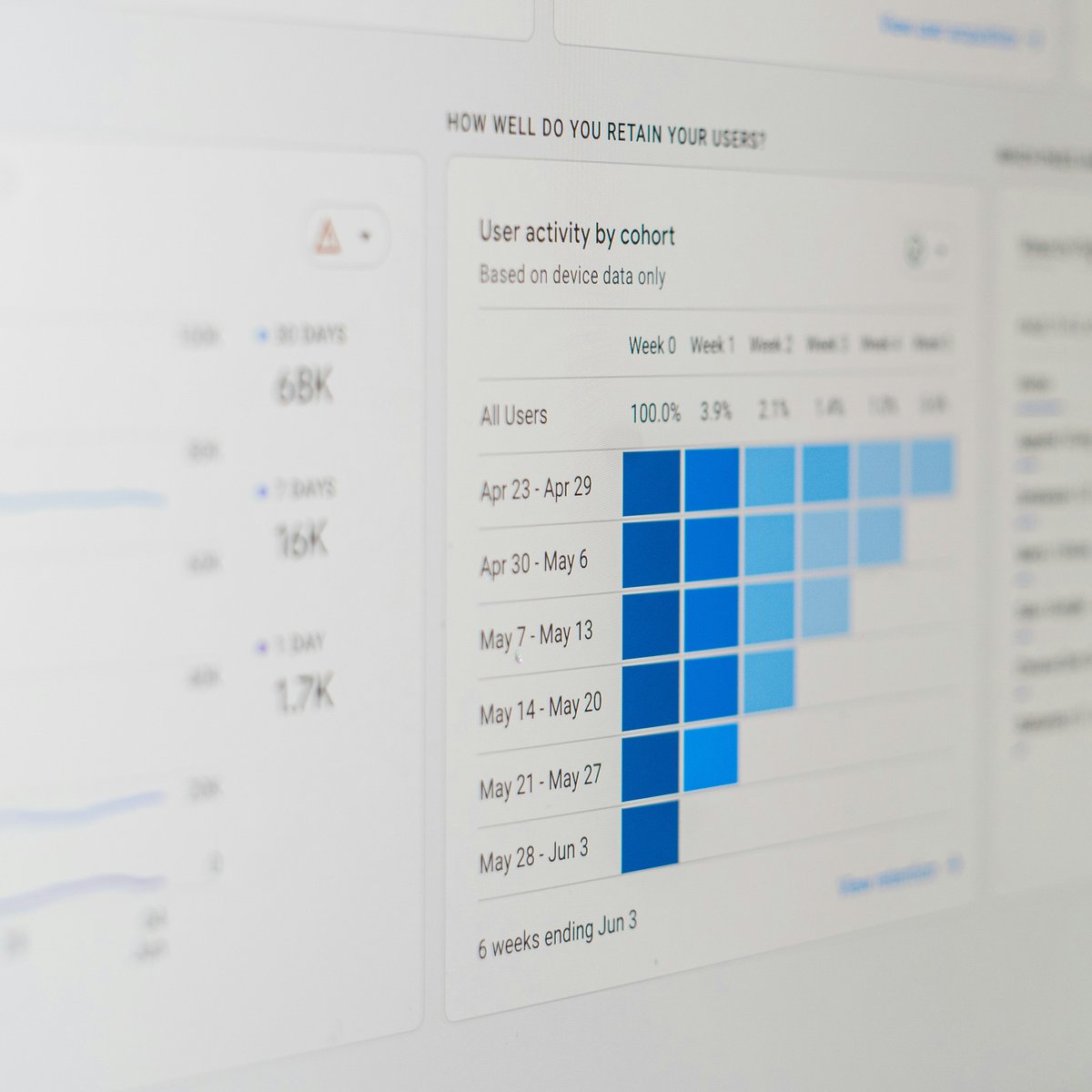
Analytics tracking depends on correctly implemented tracking codes and configurations that persist through the migration. When tracking is disrupted, organizations lose visibility into post-migration performance at precisely the moment when monitoring matters most. Data gaps make it difficult to determine whether ranking or traffic changes stem from the migration itself or from other factors.
Maintaining analytics continuity means verifying that tracking codes are present and correctly configured on the new site, that goal and conversion tracking remains intact, and that historical data is accessible for comparison. This is a practical requirement for any organization that relies on performance data to make decisions, and it is frequently overlooked in migrations focused primarily on technical implementation.
Post-Launch Monitoring and Issue Resolution
The period immediately following a migration launch is when SEO issues are most likely to surface. Rankings may shift as search engines process the new site structure. Crawl errors may appear. Pages expected to redirect may not resolve correctly. Indexation may lag or behave unexpectedly.
Post-launch monitoring tracks rankings, organic traffic, crawl error reports, indexation status, and redirect performance over the weeks following launch. When issues are identified, they can be investigated and addressed before they compound. Monitoring also provides the data needed to confirm that the migration has stabilized and that SEO performance is recovering or holding steady. This phase is where the outcomes of migration planning are confirmed or corrected.
SEO Migration Risks and Mitigation Strategies
The most common risks in SEO migration include significant ranking drops from missing or incorrect redirects, traffic loss from pages that become inaccessible to crawlers, content and metadata loss during platform transfers, analytics gaps from misconfigured tracking, and indexation problems from incorrect robots.txt or sitemap configurations.
Each of these risks is addressable through the steps described above. Pre-migration audits surface existing issues and establish baselines. URL mapping and redirect strategy protect link equity and user access. Staging validation catches implementation errors before launch. Metadata and content checks preserve SEO signals. Crawl safeguards maintain search engine access. Analytics continuity preserves performance visibility. Post-launch monitoring confirms outcomes and enables correction. A structured migration process addresses these risks systematically rather than reactively.
Cost Considerations and Pricing Models
The cost of professional SEO migration services varies based on several factors: the size and complexity of the site, the number of URLs requiring mapping and redirects, the scope of the audit, the platform being migrated to, and the level of post-launch monitoring required. Larger sites with complex architectures and extensive content libraries require more time and more detailed planning, which is reflected in the scope of work.
Pricing for SEO migration services typically reflects the project scope rather than a fixed rate. Organizations should weigh the cost of professional migration support against the potential cost of traffic and ranking loss from an unmanaged migration, which can take months to recover from. A scoping consultation is the most reliable way to understand the effort and cost relevant to a specific project.
Comparison with DIY Migration and Other Providers
Organizations sometimes attempt to manage SEO migration internally, relying on development teams to handle redirects and content transfers without dedicated SEO oversight. Development teams are focused on technical functionality, not on the SEO implications of structural decisions. Steps like pre-migration auditing, metadata preservation, and post-launch SEO monitoring are often deprioritized or skipped entirely, which transfers the risk of ranking loss back to the organization.
When evaluating migration service providers, the relevant questions are whether the provider covers the full migration process from audit through post-launch monitoring, whether they have a defined process for URL mapping and redirect validation, and whether analytics continuity is explicitly included. A provider that addresses only part of the migration process leaves the remaining risk unmanaged.
Industries and Organization Types Served
SEO migration requirements are consistent across organization types. Corporate, enterprise, and SME clients all face the same fundamental risks when migrating websites, though the scale and complexity of the migration differ. Larger organizations with extensive site architectures and high organic traffic volumes have more at stake and typically require more detailed planning. Smaller organizations benefit from the same structured approach applied at an appropriate scope. We work with organizations across sectors globally, adapting the migration process to the specific requirements of each project.