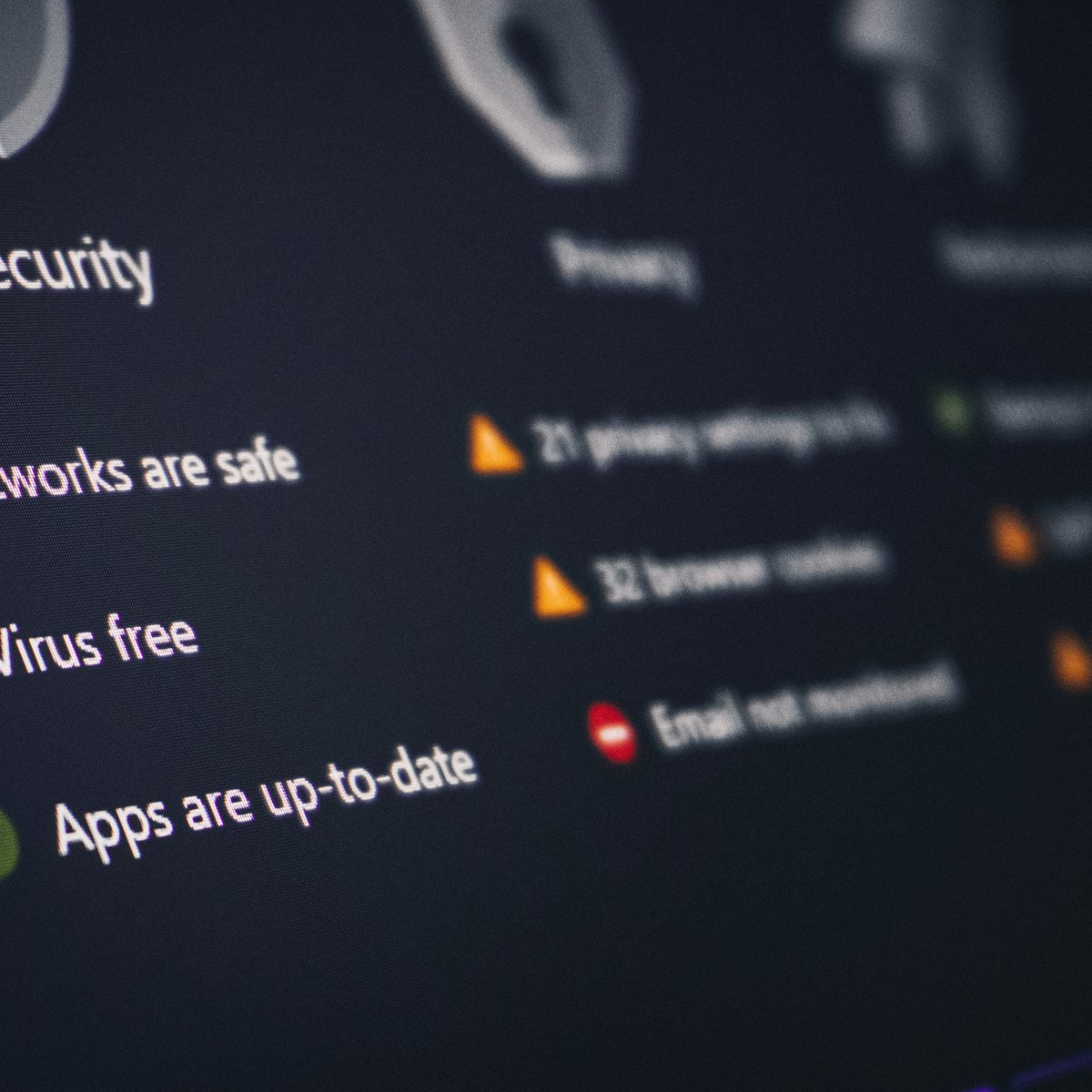
Website security monitoring is a focused service that continuously scans and observes your website environment to detect malware, vulnerabilities, suspicious activity, and SSL issues before they escalate into serious incidents. Binari delivers this service for organizations that need structured, ongoing oversight of their website security posture, distinct from broader web maintenance or one-time security audits. The sections below explain each component of the service and its practical role in protecting your online presence.
Continuous Website Security Monitoring
Periodic or manual security checks leave gaps that attackers can exploit between review cycles. Continuous monitoring addresses this by scanning your website environment on an ongoing basis, observing file integrity, configuration states, and security indicators without interruption. The primary benefit is early detection: when a threat or anomaly surfaces, your team receives an alert rather than discovering the problem after damage has occurred. This reduces the window of exposure and supports faster decision-making when a response is needed.
Continuous monitoring also establishes a consistent baseline of your website’s security state, making it easier to identify changes that deviate from normal behavior. For organizations managing multiple web properties or operating in regulated environments, this level of visibility supports both operational security and internal accountability.
Malware Detection and Cleanup
Malware infections can affect website availability, damage visitor trust, and trigger search engine blacklisting. Our malware detection capability scans your website for known infection patterns, injected code, and other indicators of compromise, then alerts your team when a problem is identified. Catching infections early limits the downstream impact on your users and your organization’s reputation.
It is worth clarifying the scope of this service: website security monitoring focuses on detecting and alerting on malware presence. Active cleanup and remediation of confirmed infections is a separate, dedicated process. If your organization needs hands-on malware removal following a detection event, our website malware removal services address that requirement directly.
Vulnerability Scanning and Testing
Unpatched software, misconfigured server settings, and outdated components are among the most common entry points for attackers. Vulnerability scanning examines your website for these weaknesses on a structured basis, identifying issues before they can be exploited. The scanning process covers common vulnerability categories including outdated CMS components, insecure configurations, and known software weaknesses relevant to your website environment.
Proactive vulnerability identification gives your team actionable findings to address before an incident occurs. For organizations with compliance obligations, documented vulnerability scanning also contributes to audit readiness and demonstrates a structured approach to security governance.
Suspicious Activity Monitoring
Not all threats announce themselves through obvious malware or known vulnerabilities. Suspicious activity monitoring observes your website for behavioral anomalies that may indicate an attack in progress or an unauthorized access attempt, including unusual traffic patterns, unexpected file changes, and repeated failed login attempts that deviate from established normal behavior.
When suspicious activity is detected, alerts are generated to support early intervention. Addressing anomalies at this stage, before a full breach or infection develops, reduces the potential impact on your organization. This layer of monitoring complements malware detection and vulnerability scanning by covering behavioral signals that signature-based checks alone may not capture.
SSL Certificate Monitoring
A valid, correctly configured SSL certificate is a baseline requirement for website trust and secure data transmission. Expired or misconfigured certificates generate browser warnings that deter visitors, undermine credibility, and can affect search visibility. SSL certificate monitoring tracks the status and expiration timeline of your certificates, generating alerts when renewal is approaching or when a configuration issue is detected. This prevents avoidable security lapses that are straightforward to address when identified in advance.
Security Hardening
Security hardening reduces your website’s attack surface by addressing unnecessary exposure points, tightening configurations, and applying security best practices beyond what monitoring alone provides. Where monitoring detects threats and anomalies, hardening reduces the conditions that make those threats viable in the first place. We approach hardening as a complementary measure to ongoing monitoring, helping organizations strengthen their defenses in a structured way. Organizations seeking dedicated hardening services can discuss this through our broader security offering.
Incident Response and Remediation
When a security event is confirmed, the speed and structure of the response determines how much damage occurs. Our incident response support covers the detection and alerting phase, providing your team with the information needed to act quickly: what was detected, when it was identified, and the likely scope of the issue. This structured alerting reduces the time between detection and action.
For organizations that also need recovery support following an incident, backup and recovery options provide an additional layer of resilience. Keeping monitoring and active remediation as distinct, coordinated capabilities allows each to be managed with appropriate focus.
Security Reporting and Alerts
Security reporting translates monitoring activity into structured records that your team can review, act on, and present to stakeholders or auditors. Reports cover detected threats, vulnerability findings, suspicious activity events, SSL status, and the overall security posture of your monitored websites over a given period.
Alerts notify relevant team members when specific thresholds or events are triggered, supporting timely responses without requiring constant manual review. Together, reporting and alerting give organizations the transparency needed to demonstrate due diligence, track security trends over time, and make informed decisions about their security investments.
Ease of Setup and Integration
Deploying website security monitoring should not require extensive technical overhead. We design the setup process to minimize complexity for your team, with configuration steps suited to common website environments. Organizations can expect a structured onboarding process that gets monitoring active without prolonged implementation timelines. If you have specific platform requirements or integration questions, our team can discuss compatibility during the consultation process.
Free Trials or Demo Scans
Organizations evaluating website security monitoring solutions benefit from understanding the service in the context of their specific environment before making a commitment. If you would like to discuss your requirements, review what monitoring covers for your website setup, or see how the service addresses your security priorities, contact our team to arrange a consultation or demonstration.